
About Us
From Lee Rasch, Executive Director
Ethical Leadership and the American Democracy
The Challenge
Our republic was built on the core principles of democracy and the rule of law. But today, many are asking a difficult question: Are we losing touch with those founding ideals?
Across the nation, Americans are growing further apart. Research from Pew and Gallup shows widening political divides—and it’s not just politics. Trust in our institutions is falling: media, business, healthcare, education, and even government itself. Confidence in the judgment of our fellow citizens is declining, too.
It’s a troubling trend. Our democracy feels fragile.
The causes are complex, but one thing is clear: rebuilding trust and unity won’t happen without strong, ethical leadership—especially from our elected officials.
It won’t be easy, and it won’t happen overnight. But every long journey begins with a single, deliberate step.
We believe that step starts here—with supporting and encouraging leaders who live by four essential principles.
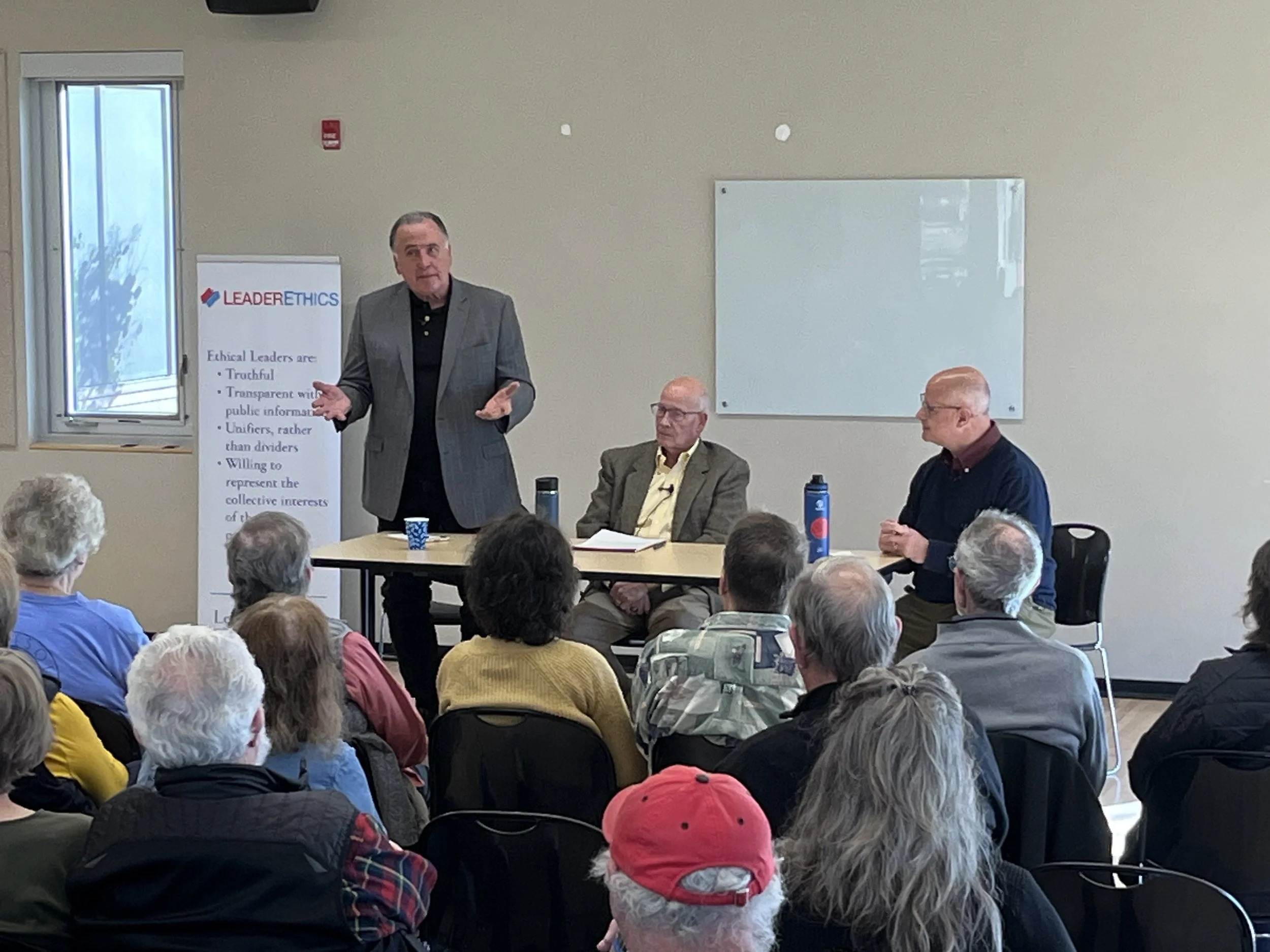
Your Role
Ethical leadership doesn’t just happen. It starts with us—with our voices, our actions, and our votes.
So take a moment to look around your community and ask yourself:
Who are the leaders bringing people together?
Who’s telling the truth, being transparent, and putting people before politics?
Support them. Volunteer. Speak up. Vote with your values.
Because a stronger democracy begins with ethical leadership—and ethical leadership begins with you
Four Key Principles of Ethical Leadership
We’re a nonprofit, nonpartisan organization committed to promoting ethical leadership in public office.
And when we say ethical leaders, we mean those who:
Speak the truth—even when it’s hard.
Are transparent with the public’s business.
Work to unite people rather than divide them.
Represent everyone—not just those who voted for them.
These principles aren’t radical—they’re reasonable. We expect them from leaders in business, healthcare, and education. So why not from those we entrust with our democracy?
Ethical leaders are truthful
This is something simple, but really important: truthfulness in our elected leaders.
Now, we know—sometimes it feels like putting “truthfulness” and “elected leaders” in the same sentence is a contradiction. And honestly, that’s kind of the problem. Too many people have lost trust in the folks we elect to represent us.
But here's the thing—truthfulness is not optional. Every successful business, school, or hospital depends on it. Why should government be any different?
Think about what often happens when a politician gets a tough question. Instead of answering, they ’ll point the finger at their opponent. Suddenly, we’re no longer focused on their record—we’re distracted. And that’s the whole point. They don ’t even have to prove anything. The distraction alone gets the job done.
We get it—it ’s not easy to be truthful in today ’s political environment. Sometimes the biggest opposition comes from inside a leader’s own party, especially if there’s a primary challenger waiting in the wings. In the short run, it may feel safer to avoid the truth.
But in the long run? Truthfulness actually builds respect. Voters notice. Colleagues notice. And respect is what gives leaders real influence.
So yes, truthfulness takes courage. But it’s also one of the most powerful tools an elected leader can have—if they’re willing to use it.
Ethical leaders embrace the importance of transparency with public information
Let’s talk about transparency. In the fast-changing world we live in, it can be tough to know who to trust. And yet, trust is essential—our government can’t function effectively without it. That’s why transparency matters. But let’s be honest—sharing public information isn’t always easy.
Here’s the thing: just as it’s a mistake for a leader to grab credit they don’t deserve when the news is good, it’s just as damaging to withhold information when the news isn’t so good. When leaders keep people in the dark, it erodes trust. And ironically, it’s often in those tough moments—in times of crisis—that leaders have the greatest opportunity to build trust by being open and transparent.
Now, we know there are times when leaders can’t share everything, like matters of national security. But even then, honesty is the best approach. Saying, “I can’t disclose that information right now” is far better than trying to dodge the question or mislead people.
At the end of the day, transparency and trust go hand in hand. And trust isn’t given—it’s earned, over time. Ethical leaders know this. And they embrace it.
Ethical leaders embrace practices that are unifying, rather than dividing
Something really important in American politics is the need to support ethical leaders who unite us, instead of divide us.
Now, I know that’s a tall order. There are some very powerful forces pushing the other way. Party loyalty has become one of the biggest drivers of division. Think tanks are out there designing “divide and conquer” strategies. Special interests are pouring money into them. And social media? It’s made everything more fragmented and more heated.
But honestly, one of the biggest problems comes from the leaders themselves. Too often, they resort to name-calling when someone disagrees with them. That kind of behavior doesn’t solve problems—it just makes the divide even deeper.
And here’s the truth: the biggest challenges we face as a nation can’t be solved if we’re splintered. It’s like asking a team to play with half the playbook missing—you just can’t win that way.
That’s why ethical leaders matter so much. They see what’s happening, and they’re willing to stand up to it. They understand that putting the country first is more important than putting a party first.
And that’s where we come in—as voters. We need to notice those leaders, encourage them, and support them. Because they’re the ones who can help bring us together, and that’s the only way we move forward.
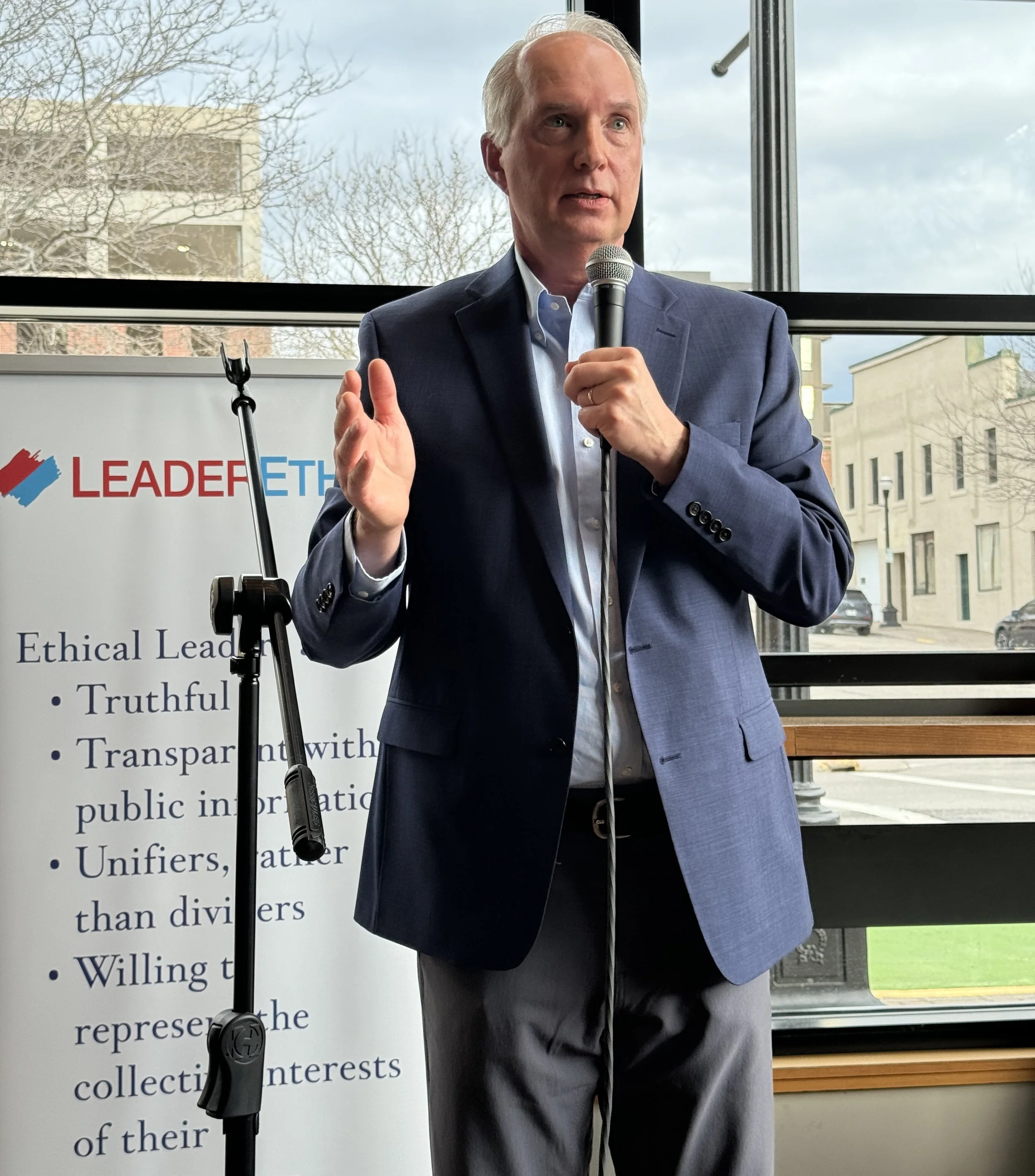
Ethical leaders are willing to represent the collective interests of their constituency
A vitally important concept in American democracy is representation.
At its core, our democracy is built on a simple principle: elected leaders are chosen by the majority of those who vote. But that also means, in almost every election, there are people in the minority who end up being represented by someone they didn’t vote for. And let’s not forget—there are also many people, like children, who can’t vote at all. They’re still part of the community. They’re still constituents. And they still deserve fair representation.
It’s interesting—the U.S. Constitution never even mentions political parties. But it is very clear about representation. Leaders who hold executive positions should be serving the whole, not just a slice of it. And those in representative roles should show empathy—really understanding and responding to the needs of all their constituents, not only the ones who supported them at the ballot box.
That’s why it matters who we, as voters, choose to support. We should back leaders who understand what true representation means—and who are willing to stand up to the political pressures that try to divide us.
Because in the end, democracy works best when representation truly includes everyone.